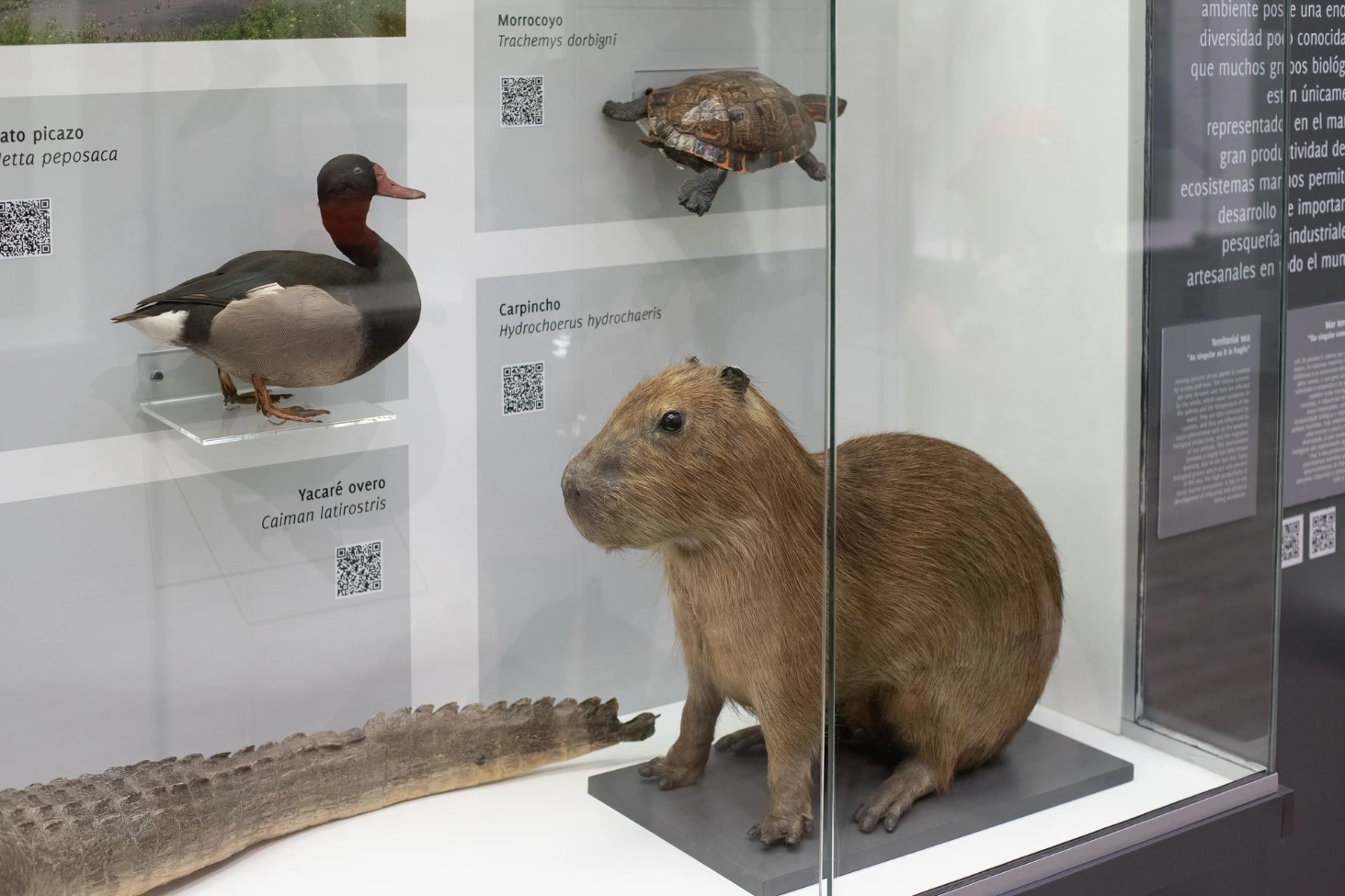
A Bit of Background
Founded in 1838—just years after Uruguay declared independence—this is one of the oldest scientific institutions in the country. Today, the public gallery sits at Calle Miguelete 1825 in the Aguada neighborhood.
Keep expectations realistic regarding size: this isn't a massive, multi-wing museum. The space open to the public is fairly compact because the institution’s massive research archive and reference library are kept off-site. What you get on the floor is a straightforward, well-curated snapshot of the country's natural history.
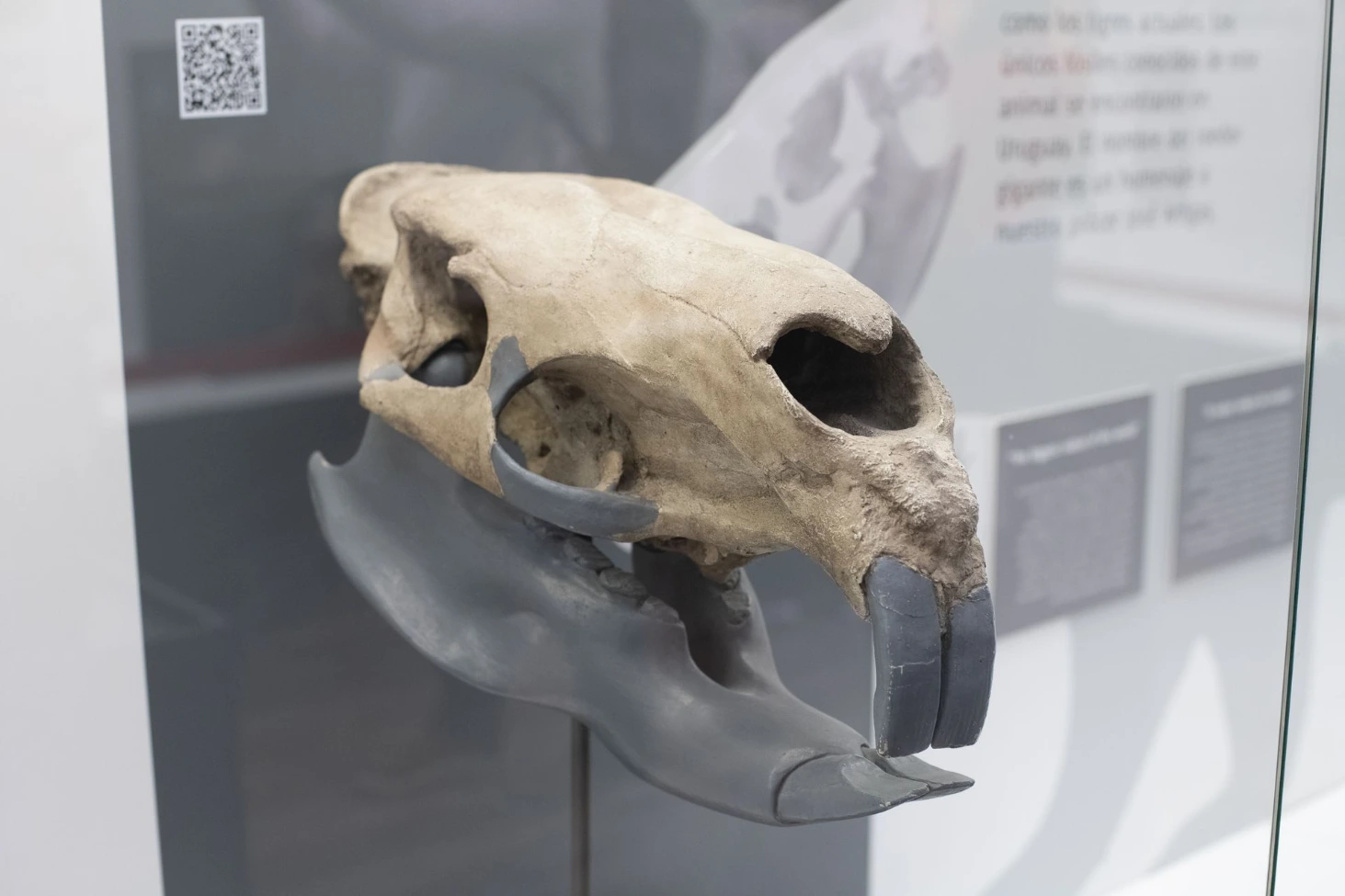
Ice Age Megafauna and Hands-On Fossils
The real highlight is the prehistoric megafauna that roamed South America long before humans showed up. The stars of the room are the glyptodonts—ancient, heavily armored relatives of the armadillo that grew roughly to the size of a compact car. Unlike many museums where everything sits strictly behind glass, visitors can actually reach out and feel genuine fossilized shell fragments.
Standing right beside them is Doedicurus, a hulking herbivore armed with a spiked club at the end of its tail. Seeing the sheer scale in person makes Uruguay's Ice Age past hit home in a way textbook diagrams never quite manage.